Winter Golf, Sharper Sight: Sporty Shades for Low Sun and Damp Fairways
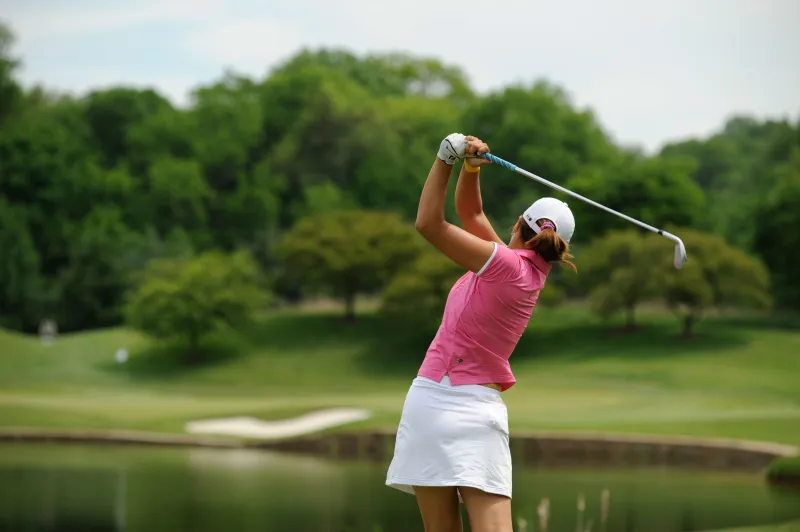
Photo: golfer wearing sporty sunglasses winter UK fairway low sun cap, via www.ncaa.com
Winter golf has a quiet drama to it. The tee sheet thins out, the fairways hold their colour in a different way and the light arrives at an awkward angle for most of the afternoon. That low sun can be beautiful from the clubhouse window and thoroughly unhelpful when you are standing over a wedge. A good pair of sporty shades will not fix your swing, but it can make the course easier to read, keep your eyes relaxed and stop you squinting your way through the back nine.
The trick is not simply reaching for the darkest lens in the drawer. Winter light in the UK is often flat, damp and contrast-poor, with sudden bursts of direct sun when the clouds break. You want control, not a blackout.
The low-sun problem is a geometry problem
From November onwards, the sun sits lower in the sky and seems to find every gap between your cap peak and your eyebrows. On a clear morning it can be directly in play on the first tee; an hour later it is skimming across a wet fairway and throwing light straight back at you. That is why winter golf shades need to handle two very different jobs: direct glare from above the horizon and reflected glare from the ground.
A wraparound or semi-rimless sporty frame helps here because it closes off the sides without feeling heavy. The best Oakley-style shapes for this are the ones that follow the curve of the face rather than sitting flat like a fashion frame. You do not need a visor-sized shield, but you do want a lens that wraps enough to cut the light coming in at three o'clock and nine o'clock.
Polarised lenses are tempting for damp fairways because they knock down reflection from wet grass and puddles. They are genuinely useful, but they are not automatically the right answer for every golfer. Some players find polarisation flattens the contours of a green or makes the ball harder to pick up against a grey sky. If you are buying for golf specifically, try a polarised pair on grass before you commit. If you play mostly casual winter rounds and want comfort above all, polarisation is a sensible upgrade.
Contrast beats darkness on a bruised winter sky
A dark grey lens will make a bright day feel manageable, but it can turn a dull afternoon into a murky one. Contrast lenses are the more interesting choice for British winter golf. Rose, copper and amber-tinted lenses lift the difference between fairway, rough and sky, which is exactly what you need when the light is doing its best impression of a faded photograph.
Look for a lens that is dark enough for direct sun but not so heavily tinted that you lose the ball in the shadows. A category 2 lens is often the sweet spot for winter rounds; category 3 makes sense if you are playing in bright, open conditions or on a links course where there is very little to soften the light. Photochromic lenses are worth considering if you tee off early and finish as the light fades, though they can be slower to react in cold weather.
Oakley-style lens technology tends to lean on clarity and impact protection rather than pure tint. That matters in winter because you are often dealing with a low, hard sun and a cold wind at the same time. A lens that sharpens edges and keeps the ball visible against a grey background is more useful than one that simply makes everything darker.
Wind is the quiet thief of a winter round
Cold wind makes your eyes water, and watery eyes make judging distance and line far harder than they should be. This is where a close-fitting sporty frame earns its place. You want a shape that sits close enough to block the worst of the wind without pressing on your cheeks or fogging up every time you breathe out.
Vented lenses and adjustable nose pieces help. So does a frame with a little bit of grip at the temples, especially if you are wearing a cap and turning your head through the swing. The last thing you want is a pair that shifts every time you look up from the ball. If you already wear a cap, check that the frame arms sit neatly under the cap band rather than digging in. A low-profile temple is a small detail that makes a big difference over four hours.
For frosty mornings, keep a microfibre cloth in your bag and resist the urge to wipe your lenses with a glove. Cold lenses fog quickly when you come out of a warm car, so give them a moment to settle before you start cleaning. A lens cloth in the bag pocket is cheaper than replacing a scratched lens.
Cap compatibility is not a throwaway line
A lot of sporty sunglasses look brilliant on a shelf and then fight with your headwear. Golf caps sit low, and some frames have temples that are too thick or too straight to slide underneath comfortably. Before you buy, try the shades on with the cap you actually wear. You want the frame to feel secure but not clamped. The bridge should sit evenly on your nose, and the lenses should not touch your eyelashes when you blink.
If you are between sizes, lean towards the frame with more adjustment. A rubberised nose piece and flexible temples will do more for comfort than a millimetre of extra lens width. And if you wear prescription glasses, do not assume you can simply size up. A proper prescription sporty frame is worth the extra effort because the optical centre needs to line up with your eyes, not with the frame's best-looking angle.
From first tee to nineteenth hole
The nice thing about sporty shades this winter is that they no longer look out of place once you leave the course. A sleek wraparound in matte black, grey or a muted olive works with a quarter-zip and waterproofs, and it looks perfectly reasonable with a polo and jeans in the clubhouse. The key is to avoid anything too neon or too aggressively race-day. Think quiet performance rather than podium finish.
If you want one pair to do both jobs, choose a frame with a clean silhouette and a lens that is dark enough for the fairway but not so mirrored that it looks like you are about to start a descent. A subtle contrast lens in a semi-matte frame is the safest clubhouse-ready choice. Save the loud colourways for summer roll-ups and driving-range sessions.
Winter golf is never going to feel like a Mediterranean holiday, but it does not have to be a squint-fest either. Get the lens right, make sure the frame sits happily under your cap and keep a cloth handy. The result is a round that feels calmer, clearer and a good deal more enjoyable when the low sun finally drops behind the trees.