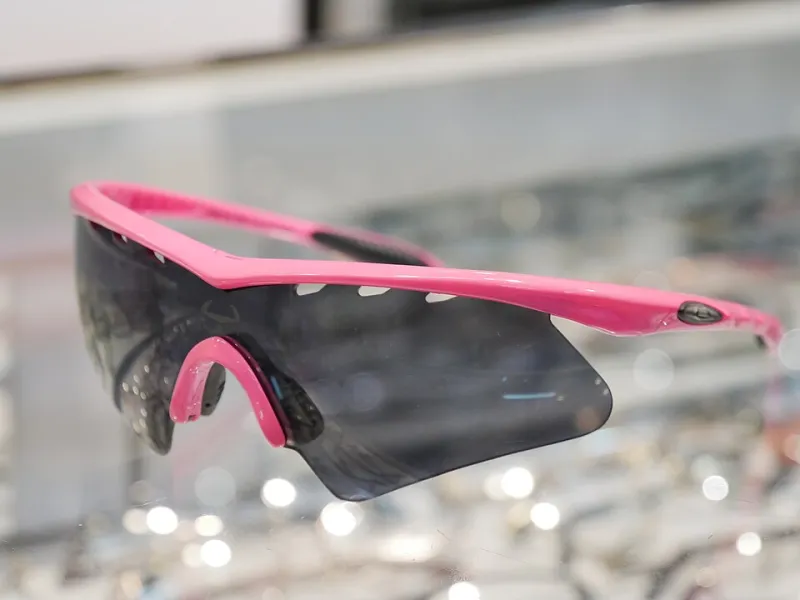
Spend Where You Look: A Smarter £100 Split for Sporty Shades
A hundred pounds is an odd little budget. It is enough to buy something genuinely useful, but not so much that you can ignore the details. In sporty sunglasses, that makes it the perfect test of priorities. Spend it badly and you end up with a pair that looks the part but fogs at the first hill, smears at the first drizzle and lives in the glovebox because the lenses are a compromise. Spend it well and you get a pair that earns its keep through British weather, weekday commutes and weekend wanderings.
Start with the lens, because that is where you look
It is tempting to begin with the frame. Frames are what people see. Lenses are what you see through, which makes them the more important purchase. On a £100 pair, aim to put the largest sensible chunk of the budget into lens quality and the frame fit that supports it. A clean, low-distortion lens with a sensible tint will do more for your comfort than a fancy colourway or a name printed on the temple.
For UK conditions, that usually means thinking about contrast rather than pure darkness. A very dark lens can feel like overkill on a grey motorway morning, while a contrast-enhancing brown, rose or bronze lens can make road markings, trail edges and flat winter light easier to read. If you want one pair to do more, a photochromic lens is worth considering, though it often costs more. The point is not to chase the most technical specification available. It is to buy the lens that matches the light you actually spend time in.
Fit is the free upgrade people skip
No lens can rescue a frame that slides down your nose or presses behind your ears. Before you worry about coatings or spare lenses, get the geometry right. The frame should sit close enough to keep wind and spray out without clamping your temples. The bridge should suit your nose rather than leave you pushing the glasses back up every few minutes. If you wear a cap, helmet or headphones, check the temples do not fight with them.
This is where a cheaper frame with a good fit beats a more expensive frame with a fashionable but awkward one. Sporty sunglasses are tools as much as accessories. A secure fit makes the lens work properly, keeps glare out at the edges and stops you fiddling. If you are buying online, use a retailer with a proper returns window and test them indoors first: look down, look up, shake your head gently and see whether the frame stays put.
Where to spend: coatings that solve British problems
Coatings are easy to dismiss as upsell, but a few of them earn their place. A hydrophobic coating helps rain bead and clear, which matters on a wet commute or a muddy ride. An anti-fog treatment on the inside of the lens is useful if you stop at lights, climb a hill or move between cold air and warm rooms. An oleophobic coating makes fingerprints and sunscreen easier to wipe away without turning the lens into a smeary mess.
These are not glamorous features, but they affect daily use. A pair with decent coatings will be cleaned less aggressively, which means fewer micro-scratches over time. That is a real saving. If you have to choose between a flashier frame and better coatings, take the coatings. You will notice them every time you wear the glasses; you will only notice the frame colour in the mirror.
Where to save: the bits that do not change what you see
There are places to economise without wrecking the experience. Frame material is one. Many sporty frames use tough plastics and rubberised components that are perfectly serviceable without costing the earth. Last-season colourways can also be a sensible saving, provided the lens and fit are right. Brand worship is the least useful line item in the budget. A recognised name can signal consistency, but it is not a guarantee of comfort, and it is certainly not a substitute for trying the thing on.
Spare lenses are a trickier one. If the frame uses a quick-swap lens system, a spare clear or low-light lens can turn one pair into two. That is often better value than buying a second complete pair. But only if the system is easy to use and the spare lenses are genuinely useful to you. A spare lens that lives in a drawer because swapping it is fiddly is not a saving; it is clutter.
The aftercare allocation
A small amount of budget should go to keeping the lenses alive. A decent microfibre cloth, a hard case and a simple cleaning routine are not exciting, but they protect the part of the sunglasses that matters most. Rinse off grit before wiping, use lukewarm water rather than a dry sleeve, and avoid leaving the glasses on a hot dashboard. In the UK, the sun may be modest, but UV and heat still age lenses and coatings.
If you are spending around £100, think of aftercare as part of the purchase rather than an optional extra. A ten-pound case and a proper cloth can add years to a pair. That is a better return than spending the same ten pounds on a slightly more fashionable temple detail.
A sensible split to work from
There is no universal formula, but a useful starting point is to put the majority of the budget into the lens and frame fit, a meaningful slice into coatings, and a small amount into aftercare. Spare lenses are worth it only if the swap system suits you. Everything else — colour, branding, packaging — should come last.
The hundred-pound question is not really about how much you spend. It is about where the money lands. Spend where you look, spend where the weather hits, and save on the parts that only matter in the shop. That is how a sporty pair stops being an occasional accessory and starts being the sunglasses you reach for without thinking.