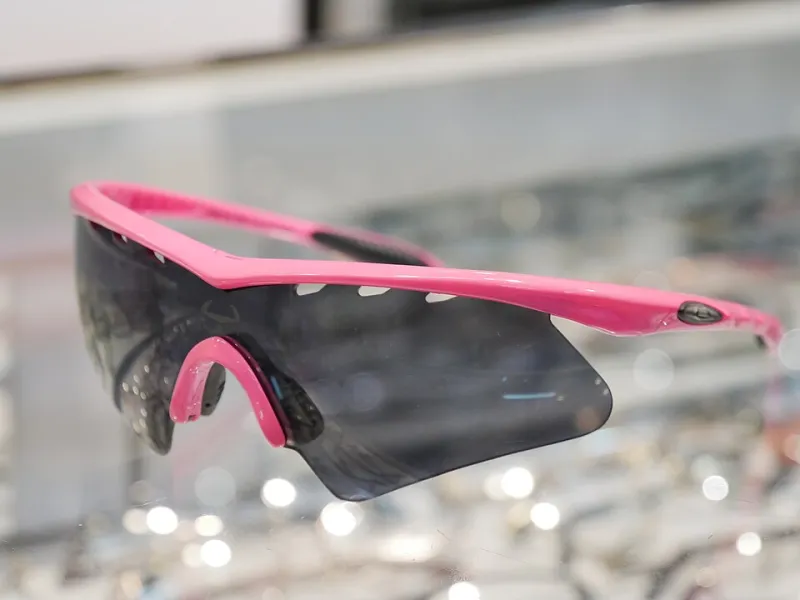
Before the Season Bites: A Ten-Minute Once-Over for Sporty Shades
November has a way of exposing shortcuts. The gloves come out, the roads turn slick, and the low sun sits exactly where you do not want it. Your sporty shades have spent summer absorbing sweat, sunscreen and pocket lint; now they are about to meet damp mornings, road grit and a lot more layering. A ten-minute tune-up now is less about fussing and more about keeping fit, comfort and visibility honest through winter training.
Start with a clean, dry workspace
You do not need a workshop. A clear kitchen table, a microfibre cloth, a small screwdriver, a soft brush and a bowl of lukewarm water with a drop of mild soap will do. Avoid doing the job over a sink with the plug out, because tiny screws have a talent for disappearing. Give the shades a quick rinse first so you are not pushing grit around while you inspect them.
The hinge wobble test
Open and close the frames slowly. Then hold one temple arm and feel for side-to-side play at the hinge. A little movement is normal on many sporty frames, but a hinge that feels loose, crunchy or floppy is telling you something. Loose hinges let the frame sit crooked, which nudges the lenses out of alignment and turns a small annoyance into a distraction on the move.
If you can see a hinge screw, tighten it with the correct small screwdriver. Think quarter turns, not hero turns. Over-tightening can strip the thread or crack the hinge housing. If the screw simply spins without gripping, stop and put the shades aside for a professional look. Do not reach for glue.
Nose pads: the unsung grip heroes
Nose pads take a beating in winter. Sweat, rain, sunscreen and road spray all collect around them, and the rubber can harden or go slick. If your shades slide down when you look over your shoulder on a run or check behind you on the bike, tired nose pads are often the culprit.
Clean them with lukewarm soapy water, rinse well and dry with a microfibre cloth. Check for flattening, cracking or discolouration that will not shift. Many Oakley-style frames use interchangeable nose pads, so replacing them is often straightforward if you have the right part. Adjust metal nose arms gently, and only a little at a time. If the pad mount feels loose or cracked, leave it to a shop rather than forcing it.
Temple arms and hidden grit
The hinge area and temple tips are magnets for grit, especially if you run or ride in wet weather. Grit acts like sandpaper every time you fold the arms, so rinse the joints, blot them dry and let everything air-dry fully before folding the shades away.
Have a look at the rubber sleeves on the temple arms. Peeling or hardened grips are not just a cosmetic issue; they can make the frame feel unstable under a helmet or cap. Also check how you store the shades. Jamming them into a kit bag, helmet vent or jacket pocket puts pressure on the hinges and invites scratches. A hard case is still the simplest winter upgrade you can give a good pair of sporty shades.
Lens screws and frame flex
Some frames use tiny screws to hold the lenses in place. Check these carefully, especially if you have noticed a lens rattling or a slight click when you flex the frame. Tighten with the correct driver and the lightest touch. If a screw is stripped, missing or refuses to sit flush, get it seen to before it works loose on a cold morning.
While you are there, give the frame a gentle twist check. It should feel secure, not creaky. Do not test flex by bending the frame hard. If the front feels out of shape or one lens sits higher than the other, a professional can realign it without turning a small issue into a cracked frame.
Clean lenses the kind way
Rinse the lenses first to float away grit, then clean with lukewarm water, a drop of mild soap and your fingertips. Rinse again and dry with a clean microfibre cloth. Skip hot water, ammonia cleaners, kitchen roll and the old T-shirt treatment. Those are quick ways to dull coatings or add fine scratches.
Hold the lenses up to a window and look through them at a light area. Scratches in your line of sight are worth taking seriously, especially with low winter sun bouncing off wet tarmac. If the hydrophobic coating has gone tired and water smears rather than beads, a service or replacement may make more sense than polishing harder.
Dry, store and repeat
Let the shades air-dry fully with the arms open before they go back in the case. Damp hinges and nose pads are never a good mix. Keep them out of the car dashboard and away from radiators, because heat is no friend to coatings or rubber parts. A quick ten-minute check every few weeks through winter will keep the fit consistent and save you from discovering a loose screw halfway through a parkrun or a commute.
Know when to hand it over
Some jobs are home fixes; others are a clear signal to call in someone with proper tools and spare parts. Cracked hinges, stripped screws, lens delamination, coating failure, broken nose-pad mounts and frames that will not sit straight are all professional territory. Prescription sporty shades deserve an optician's eye rather than a kitchen-table experiment.
The payoff is quietly satisfying. A frame that grips properly, hinges that move cleanly and lenses that are clear in the low November sun make winter training feel less like a fight with your kit. Ten minutes now is a small ritual with a very practical return.