Cold Storage, Hot Dash: The Winter Reality Check for Car-Kept Sporty Shades
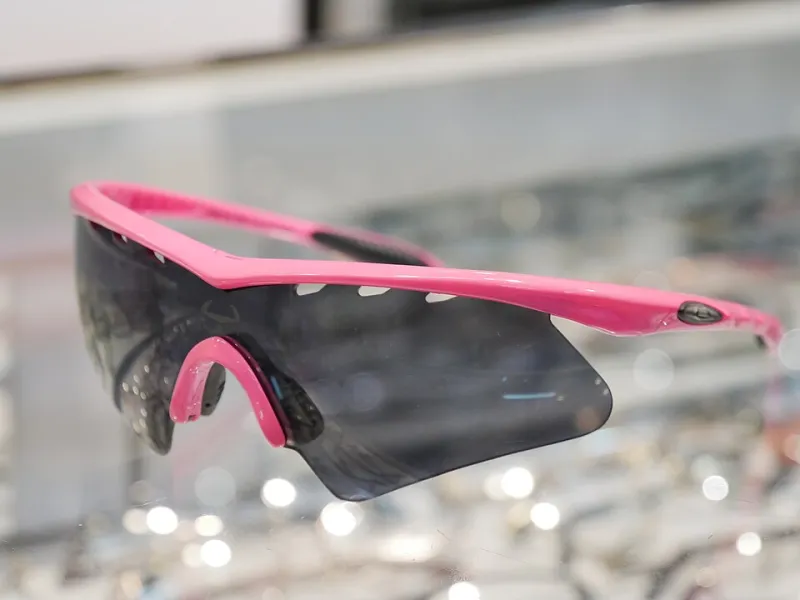
Photo: Peachyeung316, CC BY-SA 4.0, via Wikimedia Commons
There is a specific British winter morning that tests both patience and eyewear. The windscreen is frosted, the heater is blowing lukewarm air at your knees, and the low sun is already queuing up behind a row of rooftops. You reach for the sporty shades you left in the glovebox sometime in October. They come out cold, slightly fogged and wearing a fine layer of something that looks suspiciously like biscuit crumbs.
That is the moment the glovebox test begins. Not in a shop, not on a sunny holiday, but in the everyday scrum of a car that has to cope with frost, damp, grit, hot demister air and the occasional emergency packet of crisps. A good pair of sporty sunglasses should survive that. The question is which ones actually do - and what you can do to help.
The car is a microclimate, not a shelf
A glovebox feels neutral. In reality, it is a small chamber that goes through temperature swings, collects dust and gets opened with cold, damp hands. The door pocket is worse: it is basically a grit trap with a zip. The dashboard is the worst of all, because it combines direct sun, heat from the demister and a hard surface that invites scratches.
Winter adds a few extra pressures. Cold can make some frame materials feel stiffer and more brittle. Condensation forms when you bring a cold pair into a warm cabin, or when you breathe on a lens while trying to clear it at the traffic lights. Road salt, grit and general winter grime find their way onto fingers and sleeves, and then onto lenses. None of this is catastrophic on its own. Repeated over weeks, it is how coatings dull and hinges start to feel loose.
The glovebox test is therefore not about one heroic product. It is about the combination of frame material, lens coating and storage discipline. Get two out of three right and your shades will probably be fine. Get all three right and they will still look and perform like proper eyewear when the sun finally clears the roof line.
Frame materials: what survives the cold shoulder
Sporty frames tend to fall into a few familiar groups, and each behaves differently in a car.
Acetate frames look great and feel substantial, but they are the ones most likely to complain about car life. In very cold conditions they can feel less forgiving, and in a hot car they can soften and warp if left on the dash. A cased acetate pair is fine. A loose acetate pair rattling around with a de-icer scraper is asking for trouble.
Nylon, TR90 and similar sporty polymers are the natural glovebox candidates. They are light, flexible and reasonably tough, which means they cope with cold mornings and the odd knock without drama. Oakley-style frames often use this kind of material for good reason: it is built for movement, sweat and changing conditions. It is not indestructible, but it is far less fussy than acetate.
Metal frames, including titanium, are strong and corrosion-resistant, but they have small hinges and screws that deserve a monthly check. They also feel cold to the touch on a frosty morning, which is a minor point until you put them on. If you like a metal frame in the car, keep a microfibre pouch handy and check the hinge tension now and then.
The lesson is simple: sporty polymer frames are the lowest-maintenance choice for permanent car duty. Anything else can work, but it needs a case and a bit more respect.
Lens coatings under pressure
Frames take the knocks, but lenses take the blame. A scratched lens is the thing that makes a pair feel old before its time, and winter is full of small abrasion risks.
Anti-reflective coatings are genuinely useful for drivers because they reduce back glare from headlights, wet roads and bright shop windows. On a low winter sun morning, that matters. Hydrophobic coatings help moisture bead and clear, which is handy when you move from cold air to a warm cabin. Oleophobic coatings make fingerprints and sunscreen easier to remove. Polarised lenses cut glare from wet tarmac and standing water, though it is worth checking them against your dashboard display if your car has a head-up display or a particularly shiny screen.
Mirror and iridium-style finishes look sharp, but they show scratches and smears more readily. They are not a bad choice for the car, just a higher-maintenance one. Photochromic lenses are another point to consider: they can be brilliant for changing light, but many react to UV, and a windscreen filters a fair amount of that out. If you want photochromic shades specifically for driving, test them in your own car rather than assuming they will darken exactly as they do outdoors.
The common thread is that coatings are the fragile part of the equation. A tough frame with a cheap, uncoated lens is not a glovebox winner. A well-coated lens in a hard case is.
Storage habits that actually work
A glovebox is only as good as what is inside it. If your shades share space with keys, coins, a phone cable and a half-empty packet of mints, the case is doing overtime. A rigid case is the single best upgrade you can make. It does not need to be expensive; it needs to close properly and keep the lenses away from hard objects.
A microfibre pouch is better than nothing, but it is not a substitute for a case in a car. Pouches collect grit, and grit pressed against a lens is how scratches happen. Keep a separate microfibre cloth for cleaning, and do not use the same cloth you use for the dashboard. If you can, store the case in the glovebox rather than the door pocket. The glovebox is drier and less exposed to grit from boots and road spray.
When you do clean your lenses in the car, resist the urge to wipe them dry with a sleeve. Condensation and grit are a bad combination. A quick blast from a lens blower or a gentle wipe with a clean microfibre is safer. If the lenses are really grimy, clean them properly at home with lens spray and a clean cloth.
The glovebox-ready checklist
Before you give a pair of sporty shades permanent car residency, run through this list:
- A rigid case that closes properly, not just a pouch.
- A separate clean microfibre cloth for lenses.
- No loose keys, coins or metal objects in the same compartment.
- A frame material that suits car life: nylon, TR90 or a similar sporty polymer is ideal.
- A lens coating that helps with glare and moisture, such as anti-reflective and hydrophobic finishes.
- A polarised check against your dashboard display if your car has one.
- A monthly hinge and screw check, especially on metal frames.
- A habit of putting the shades back in the case, every time.
The verdict
The glovebox test is not about babying your sunglasses. It is about recognising that a car is a demanding place to keep anything you care about. Frost, heat, grit and daily handling all leave a mark. The pairs that survive are the ones with sensible frames, robust coatings and a storage routine that takes about five seconds to follow.
A modest pair in a hard case will always beat an expensive pair rolling around next to the de-icer. That is the real winter reality check: not how much the shades cost, but whether they emerge from the glovebox scratch-free, fog-free and ready for the low sun ahead.