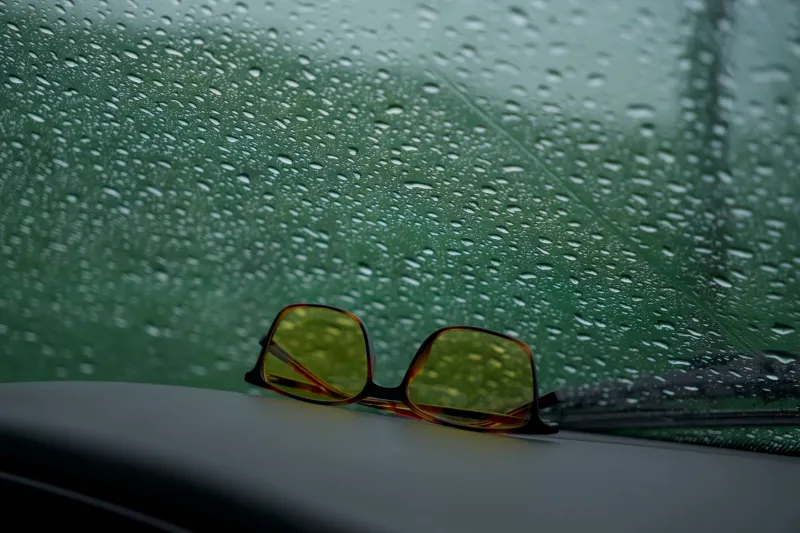
Fast-Court Focus: Sporty Shades Built for Britain’s Padel and Pickleball Surge
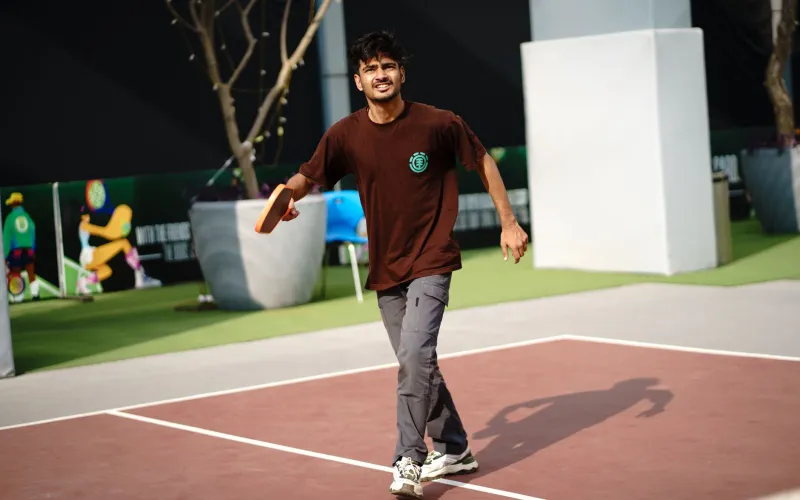
Padel courts have been appearing in unlikely places: converted railway arches, leisure centres, former retail units and club corners that once held nothing more exciting than a vending machine. Pickleball has done much the same, filling sports halls and outdoor cages with a quicker, chattier kind of racket sport. Both are easy to mock and easier to get hooked on. They are also surprisingly demanding on your eyes.
The problem is not simply sunshine. A padel court throws glare off glass walls, painted lines and shiny floors. A pickleball hall can serve up hard overhead lighting, bright windows at one end and a ball that flickers between yellow, green and something close to camouflage. An outdoor cage on a low winter afternoon adds another layer: raking light, wet fencing and a background of grey British sky. Ordinary fashion sunglasses rarely cope. Neither do pitch-black lenses that turn an indoor court into a cave.
So what should a pair of sporty shades actually do for this new wave of racket sports? Quite a lot, as it happens.
See the ball, not just the sunshine
Lens choice is the first decision, and it is not about going as dark as possible. On court, you want contrast. A rose, amber or copper-tinted lens can help separate a ball from a busy background, whether that background is a blue padel wall, a green pickleball surface or the blur of a doubles partner crossing your line of sight. These tints are not a magic trick, but they do make movement pop in flat, bruised winter light.
For outdoor cages and floodlit evenings, a Category 2 lens is often the sweet spot: enough shading for bright days, not so much that you lose the ball when the floodlights kick in. A Category 3 makes sense for proper sunshine, especially if you are playing in an exposed club with white walls and no shade. Mirrored finishes can cut glare from glass and wet surfaces, but they are a style choice as much as a practical one. Do not let a mirror lens convince you it is doing more than it is.
Indoor players should think about clear or very lightly tinted contrast lenses rather than standard dark sunglasses. Some sporty frames offer interchangeable lenses, which is useful if your week splits between a glass-walled padel court and a bright outdoor pickleball cage. Photochromic lenses can also work, but check how quickly they change. A slow transition lens is a nuisance when you move from a dim changing room to a sunlit court.
One more thing: polarisation is not automatically your friend. It can be brilliant for driving and general glare, but some players find it flattens the visual cues they rely on when judging a ball. Try before you commit, ideally with a ball in front of you.
Frames that stay put when the rally gets silly
Padel is not a gentle stroll. There are turns, lunges, overheads and the occasional unplanned encounter with a glass wall. Pickleball is slower, but it still rewards quick reactions and plenty of small movements. Your shades need to stay on your face without you thinking about them.
Look for a low-profile wrap or semi-rimless shape with rubberised nose pads and grippy temple tips. A frame that sits too wide can interfere with a cap or headband; one that sits too close can fog up the moment you start sweating. Ventilation matters. So does a hydrophobic coating on the lens, which helps rain and sweat bead away rather than smearing across your view.
Retention is not just about a tight fit. A lightweight frame with a well-shaped bridge often stays put better than a heavy pair clamped to your head. If you play outdoors regularly, a removable strap is a sensible addition, especially on windy courts or during doubles when you are moving more than you expected. Keep the strap subtle, though. You are there to play, not to look like you are mid-expedition.
Sweat management is the overlooked hero of court eyewear. Brow pads, vented lenses and a quick rinse after each session all help. So does keeping a microfibre cloth in your kit bag rather than using the inside of your shirt, which is how lenses get scratched and friendships get tested.
The walk-home test
The best court shades do not stop working at the court gate. British racket sports have a strong social side: a quick match, a coffee, a pint, a train home. You want a pair that looks sharp with a track jacket, a hoodie or a simple overshirt, not just with a sweatband and a grimace.
Matte black, navy, olive and smoked crystal frames are easy to live with. They read as sporty without shouting about it. A single bright accent on the temples or logo can add energy, but a full neon race frame can feel like fancy dress once you are standing in a pub garden. Oakley-style frames have long understood this balance: technical enough for performance, clean enough for real life.
Fit is part of style, too. A frame that pinches the temples or slides down your nose will look wrong no matter how good the colourway is. Try your shades with the cap or headband you actually wear on court. Check your peripheral vision. Shake your head gently. Look down as if retrieving a ball. If the frame shifts, it will shift during a rally.
A sensible buying checklist
Before you buy, take a ball or a bright object with you and look through the lens at different angles. Ask yourself whether the tint helps the ball stand out or simply makes everything darker. Check the frame with your usual cap. Test the grip with a little moisture on your nose and temples. And be honest about where you play most: indoor hall, outdoor cage, or a bit of both.
Padel and pickleball are fast, sociable and just awkward enough to expose bad eyewear. The right pair will not turn you into a tournament player overnight, but it will keep the ball visible, the glare down and the frame where it belongs. That is a decent return on a very British sports boom.