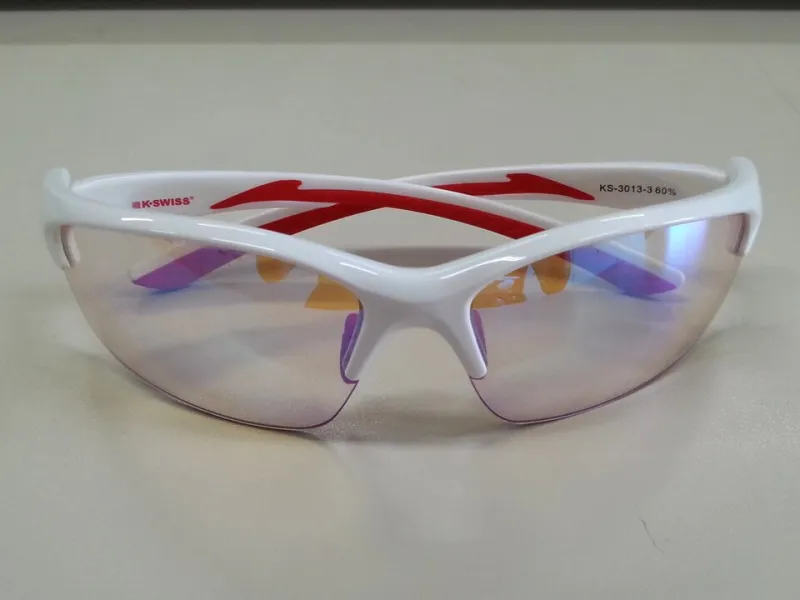
From Pebble Beach to Harbour Wall: Sporty Shades for a UK Coastal Weekend
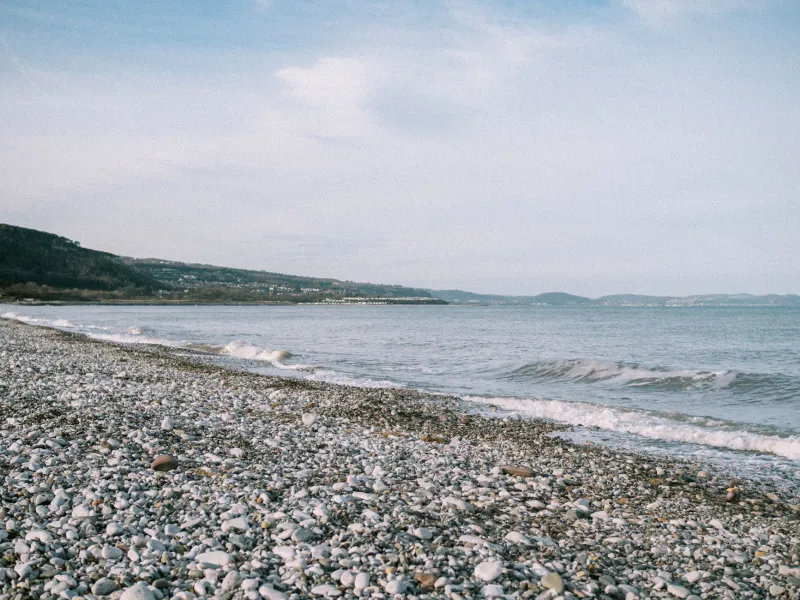
A coastal weekend in the UK rarely follows the brochure script. You might get blazing light over St Ives one hour and a haar rolling into Whitby the next. But whether you are packing for Brighton, Pembrokeshire or the Norfolk coast, one thing is constant: sea light is demanding. It bounces, it flashes, and it finds its way under the brim of your hat. Sporty shades earn their place on a beach break not because you are planning a triathlon, but because coastal light asks more of your eyes than a city street ever will.
Why coastal light is its own optical challenge
Stand on a pebble beach at low sun and you will see the problem immediately. Light hits the water, the wet stones, the white cliffs and the damp sand, then comes straight back at you. That is glare, and it is why you squint even when the sun is behind cloud. On a headland path the same light can flatten the ground in front of you, hiding the difference between dry stone and a slick patch of seaweed. In a harbour car park it bounces off windscreens and chrome. A coastal weekend is a series of small, fast changes in brightness, and your lenses need to cope without making you feel like you are looking through a grey filter.
This is where the sporty side of a frame earns its keep. Wrap and semi-wrap shapes cut peripheral light. A close fit stops wind drying your eyes on an exposed cliff walk. Rubberised nose pads and temple grips mean you are not pushing your shades back up every time you pull a hood over your head. Style matters too, but on the coast function comes first, and the best sporty frames manage both.
Polarised or contrast? A coastal lens shortlist
The first decision is usually polarised versus contrast. Polarised lenses are very good at knocking out horizontal glare from flat surfaces: water, wet sand, car bonnets and harbour walls. If your weekend involves a long drive down the A30, a ferry crossing, or a lazy lunch watching boats in the marina, a polarised lens makes everything calmer and more comfortable. It is also useful for reading a menu in a pub garden where the table is catching the sun.
Contrast lenses take a different approach. Instead of simply darkening the scene, they boost the separation between colours and tones. Oakley-style Prizm lenses are the obvious reference point here, and they are genuinely useful on a headland path where you need to spot stones, roots and changes in the ground. Contrast also helps when the sky is bright but the land is in shadow, which is basically a British coastal weekend in a sentence. If you are rock pooling, walking a coastal path or cycling a seafront Prom, contrast is often the more helpful choice.
You do not need to overthink it. Many sporty shades now offer both polarised and contrast options, and some combine the two. A sensible coastal weekend pairing is one contrast lens for active hours and one polarised pair for driving and sitting still. If you only take one pair, decide what dominates your trip: if it is the car and the harbour, go polarised; if it is the cliff path and the beach, go contrast.
Fit that survives wind, hats and hoods
A coastal weekend exposes bad fit quickly. Frames that are too wide will slide when you look down at a rock pool. Temples that are too thick will argue with a beanie or a bucket hat. Nose pads that are too hard will leave marks after an hour. Look for adjustable rubber nose pads, flexible temple tips and a shape that sits close without pressing on your cheeks.
If you wear a hat, try the combination before you go. A cap brim and a wrap frame can work well together, but only if the temples are slim enough to sit under the fabric without lifting the frame. With a hood, the same rule applies: the less bulk at the hinge, the better. A retainer strap is not a fashion crime on a windy headland; it is the difference between a relaxed walk and a frantic scramble down the beach. And if you wear a prescription, get the fit checked with your everyday glasses on hand, because coastal light is no fun through a frame that has never quite sat right.
Salt, spray and the care routine that pays you back
Sea air is not kind to lenses. Salt crystals dry on the surface, then get wiped around with a bit of beach towel and leave fine scratches. The fix is simple: rinse your shades in fresh water at the end of the day, shake off the excess, and dry them with a clean microfibre cloth. Do not use hot water, and do not leave them on the dashboard of a car while you have a cream tea. Heat and salt are a bad combination for coatings.
Give the hinges and nose pads a rinse too. Salt gets into the small gaps and can make adjustable parts stiff. A soft toothbrush is useful for shifting sand from the crevices, but keep it well away from the lens surface. Store the frames in a hard case rather than a soft pouch at the bottom of a beach bag, where a spare buckle or a set of keys can do damage. It sounds fussy, but a two-minute rinse is the difference between lenses that last several seasons and lenses that look sandblasted by August.
Keeping the look sharp, not purely athletic
Sporty shades have a reputation problem they do not deserve. Worn with the right clothes, they look considered rather than kit-bound. The trick is to let one athletic element do the talking. A matte black or olive wrap frame works well with a fisherman jumper, an overshirt and chinos. A crystal or tortoise frame softens the look for harbour-side lunches and pub gardens. If you are in swim shorts and a linen shirt, a low-profile sporty frame reads as practical holiday style rather than a warm-up.
Colour is your friend here. Iridium lenses in bronze or jade add a bit of coastal character without shouting. Matte frames are easier to wear with textured fabrics. And if you are going straight from the beach to a restaurant, a quick change from a technical top to a plain tee is usually all the styling you need. The shades can stay the same.
The weekend packing list
Take one contrast pair for the path and the pebbles, one polarised pair for the drive and the harbour if you have room. Add a hard case, a clean microfibre cloth and a retainer strap. Pack the shades near the top of your bag, not under a wet towel. And check the forecast before you choose your lenses, because a British coastal weekend can serve up four seasons between breakfast and lunch. The right pair will not just cut the glare; it will make the whole trip feel easier on the eyes.