Pitch-Side Optics: Sporty Sunglasses for Cold Weekend Mornings
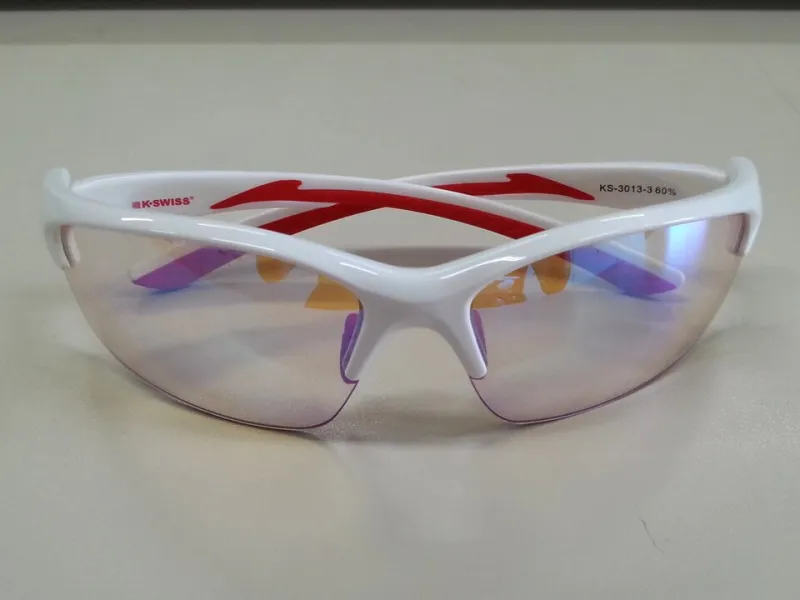
Photo: Douglas Paul Perkins, CC BY 3.0, via Wikimedia Commons
There is a particular kind of British winter morning that asks a lot of a pair of sunglasses. You are standing on a touchline at 8:45am, coffee going cold in one hand, hood up, wind coming across the pitch from somewhere unspecified, and the low sun is doing that thing where it sits just under the brim of your hat and straight into your eyes. Then the rain arrives, the pitch turns glossy, and suddenly the glare is coming from below as well as above. This is not the same job as driving to the coast in July. Touchline shades need to be practical first and presentable second — but ideally both.
Start With the Light, Not the Logo
Winter light in the UK is rarely simple. It is flat and grey for long stretches, then briefly fierce when the cloud thins, then reflected off wet grass, astroturf, puddles and car windows. That is why the best sideline lens is not automatically the darkest one. A very dark grey lens can make an overcast morning feel like dusk, which is not helpful when you are trying to follow a ball across a muddy pitch or work out which parent is shouting from the far side.
Think about the conditions you actually get: low sun, bright cloud, wet-ground glare and a lot of grey-green scenery. A contrast lens — rose, copper or amber — tends to make the most sense. It lifts the difference between the ball, the grass and the sky without turning everything into a fashion statement. Grey lenses are still useful on those hard, bright mornings when the sun is properly out, but for the typical drizzly Saturday fixture, contrast is the more useful tool. Polarised lenses can help with glare off wet surfaces, though some people find them slightly odd when looking at certain screens or reading a match programme. Try before you commit if you can.
Fit Under Hats, Hoods and Hoodie Weather
This is where sporty frames earn their keep. A thick temple arm and a generous wrap can be brilliant on a bike or a run, but under a beanie or a hood they can become a pressure point behind the ears. Look for low-profile temples, a bridge that does not sit too low on the nose, and a frame that hugs the face without needing to be clamped on. If you wear a cap, check that the brim does not push the frame down when you look up. If you wear a hood, make sure the fabric is not constantly dragging the temple arms forward.
Wrap fit is still useful, because it keeps wind and sideways rain out of your eyes, but it should be a gentle wrap rather than a headlock. A frame with adjustable nose pads can be a small mercy when you are wearing gloves and cannot fiddle with the fit every five minutes. And if you are layering a snood, scarf or jacket collar up around your neck, a frame that sits slightly higher on the face will stop the lower rim from catching on fabric every time you turn your head.
Frame Shapes That Do Touchline Time
There is a sweet spot between proper sporty performance and looking like you have wandered off a triathlon start line. A single-lens shield frame is the obvious choice for windy exposed pitches, and in a muted black, grey or olive finish it looks purposeful rather than loud. A half-rim wrap is another good option: light, secure, and a bit less intense than a full shield when you are standing next to the opposition parents. Rectangular wrap frames with a softer edge are probably the easiest all-rounders — sporty enough for the sideline, tidy enough for the café afterwards.
Colour matters more than some people admit. Neon yellow lenses and mirrored fire-orange shields are fun, but they can feel a bit much at a 9am under-12s fixture. Smoke, bronze, dark green and matte black are the safe zone. If you want a bit of character, a subtle contrast lens or a tortoise-style frame is enough. The aim is to look like you meant to be there, not like you are about to be subbed on.
Weatherproofing for the Long Haul
A season of touchline duty is hard on kit. Rain, mud, pocket lint and the occasional accidental sit-on will all happen. A hydrophobic coating helps water bead and run off, which matters when you are wiping a lens with a damp sleeve because you forgot the microfibre cloth. Ventilation is worth checking too: a frame that traps heat under a hood can fog up when you move from cold air into a warm clubhouse. You do not need laboratory-level specs, but a bit of airflow around the top of the lens is a quiet advantage.
Also think about storage. A hard case is not glamorous, but it stops a pair of sporty shades from being crushed in a kit bag between a water bottle and a pair of muddy boots. If you are going to leave them in the car between matches, keep them out of direct sun and away from the dashboard. Even winter sun can be surprisingly persistent through glass.
The Post-Match Café Test
This is the real style test. Can you walk from a muddy pitch into a clubhouse café, order a bacon roll and not look like you are still wearing race-day equipment? The answer is usually yes if the frame is simple, the lens is not shouting, and the fit is neat rather than oversized. A matte black half-rim or a low-key shield in smoke grey works well with a padded jacket, jeans and trainers. If you are coming straight from coaching, a slightly more technical frame is fine — just keep the colour calm and the lens clean.
A word on hoods and hats in cafés: take them off, and take the shades off too if you are sitting inside. Touchline shades are outdoor tools. Indoors, they can make you look like you are about to deliver a tactical debrief nobody asked for. Hang them on your collar or put them in a case, and let the jacket do the rest.
A Simple Weekend Rotation
If you are building a small rotation for winter 2026, two pairs will cover most weekends. One contrast-lens wrap for grey, drizzly mornings and low sun. One grey or polarised pair for the bright, cold days when the sky finally clears. Add a hard case, a microfibre cloth and a pocket for gloves, and you are more organised than most of the touchline. The best sporty shades for British winter are not the most technical or the most expensive — they are the ones that stay comfortable under a hat, cut the glare from wet grass, and still look reasonable when the final whistle goes and the café beckons.