Performance Shades, Pub-Garden Energy: Styling Sporty Sunglasses for Real Life
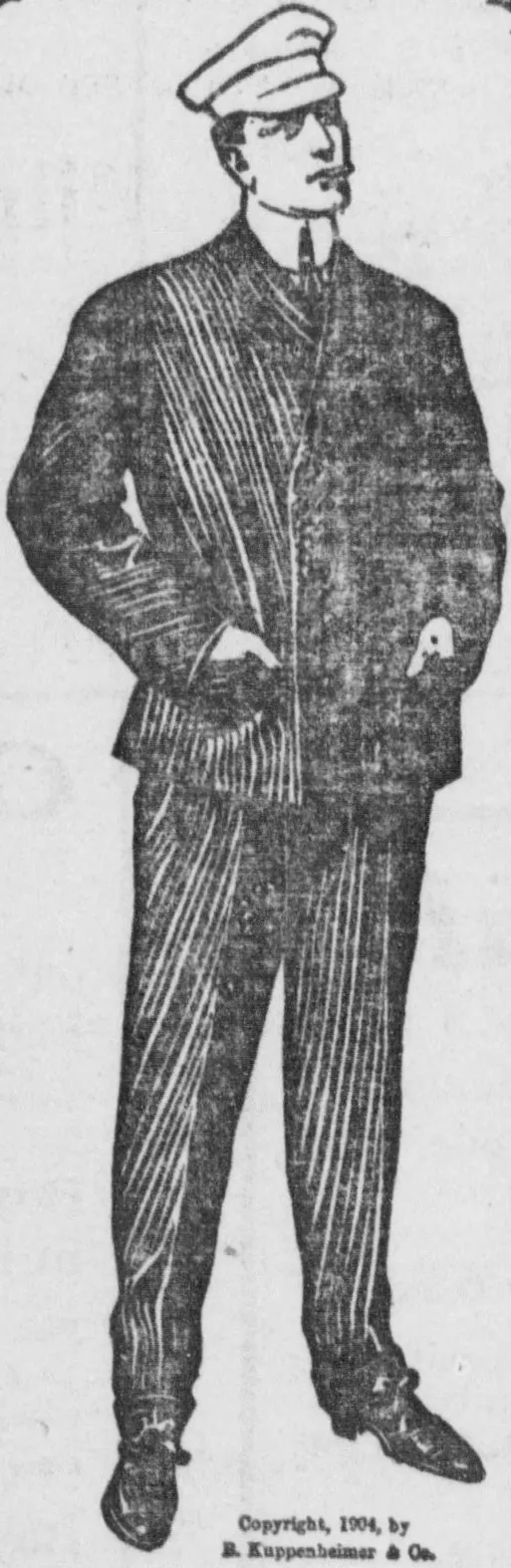
Photo: Unknown authorUnknown author, Public domain, via Wikimedia Commons
There is a fine line between looking like you have just finished a triathlon and looking like you know exactly what you are doing on a Saturday afternoon. Sporty sunglasses live right on that line. Worn with full cycling kit, they are tools. Worn with a plain overshirt, denim and a decent pair of trainers, they become something else: practical, a bit sharp, and quietly aspirational.
That shift is not about pretending the shades are something they are not. It is about context. A wraparound lens with a mirror finish is always going to read as performance gear, but that does not mean it has to stay on the trail. In 2026, the pub garden, the city commute and the weekend errand run are all fair game. The styling cues are smaller than you think.
The finish does the heavy lifting
Frame finish changes the whole mood. Gloss black is sleek and a little technical. Matte black is softer and easier to wear with everyday clothes. Olive, sand and stone finishes feel more relaxed, especially with navy, grey and denim. A translucent crystal frame is the fashion-forward option, but it needs a simpler outfit so it does not look like a novelty.
Metal frames are worth a look if you want a sporty shape without the full race-day feel. A thin metal temple and a double bridge can make a wraparound lens feel more like eyewear and less like equipment. Acetate frames with sporty lens shapes are another useful middle ground. They have more weight and a more traditional feel, which can balance the technical look of a shield lens.
The one thing to avoid is a frame that is trying too hard in every direction: bright frame, mirrored lens, neon accents and a chunky logo. Pick one loud element and let the rest settle down. If the lens is mirrored, keep the frame matte. If the frame is a strong colour, keep the lens neutral. If both are bold, the outfit needs to be very plain indeed.
Lens tints for British light
This is where the lens technology earns its keep. A dark grey lens is the safe choice for bright, flat light. It cuts glare without changing colours too much, which makes it easy to wear with anything. A green lens is similar but slightly warmer. A brown or amber lens adds contrast and works well on overcast days when the light is flat and the sky is doing that grey-white thing it does for most of the year.
A rose or copper contrast lens is the one that makes a sporty frame feel more style-led. It warms up the face and gives a bit of definition without being as aggressive as a mirror. It also works nicely with navy, charcoal and olive. A mirror lens is the most performance-coded option, so treat it as the statement piece. It looks best with simple clothing and a bit of confidence.
For everyday wear, a category 2 lens is often more useful than a very dark lens. It handles changing light on a commute, works under a cap and does not leave you squinting when you step into a shop. If you are going to wear the same pair from the train to the pub, that versatility matters more than maximum darkness.
Outfit formulas that stop short of race day
The easiest way to make sporty shades look intentional is to pair them with clothes that are not sporty. A plain white T-shirt, a navy overshirt and dark jeans is a good starting point. The shades add the edge. A lightweight bomber, a grey knit and chinos works in the same way. So does a simple trench coat over a crewneck, which sounds unlikely but often looks very good with a slim wraparound frame.
Footwear matters more than people admit. Running shoes with performance shades can tip the whole look into race-day territory. A clean trainer, a suede chukka or a simple leather shoe keeps things grounded. If you want to wear the shades with sportswear, keep the rest of the kit monochrome and avoid too many technical logos.
A cap is a useful bridge between sporty and everyday. A plain cap in navy, black or khaki makes the shades look like part of a considered outfit rather than a piece of equipment. A beanie works in colder months, but check the temple fit. You do not want the arms pressing into your head.
Small cues that keep it aspirational
Wear the shades properly. Pushed up on the head is a look, but it can read as a shortcut. On the face, with the bridge sitting correctly, they look sharper. Check that the lens does not sit too low or too high. If you have adjustable nose pads, use them. A tiny tweak makes a big difference to how considered the whole thing looks. Keep the rest of your accessories quiet. A single watch, a simple bag and maybe a plain belt are enough. Too many technical details and the outfit starts to look like a kit list. One performance element is plenty. Let the shades be the one thing that says you know about lens tech, and let everything else say you know how to relax.
City commute, pub garden, weekend errands
For the commute, a matte frame with a contrast lens is hard to beat. It looks smart enough for the office, works under a cap and does not look out of place on the train. For the pub garden, go for a slightly warmer lens and a simpler outfit. A shield lens in a brown or rose tint with a plain overshirt is an easy win. For weekend errands, a rectangular sport frame in olive or sand is practical and low-key. It looks good with a hoodie, a utility jacket or a plain crewneck.
The point is not to dress like an athlete. It is to borrow the confidence of performance eyewear without borrowing the whole uniform. Sporty shades are at their best when they look like a choice, not a necessity. Get the lens tint right, keep the frame finish considered, and let the rest of the outfit breathe. That is how you take a pair of shades from the trail to the terrace without looking like you are mid-race.